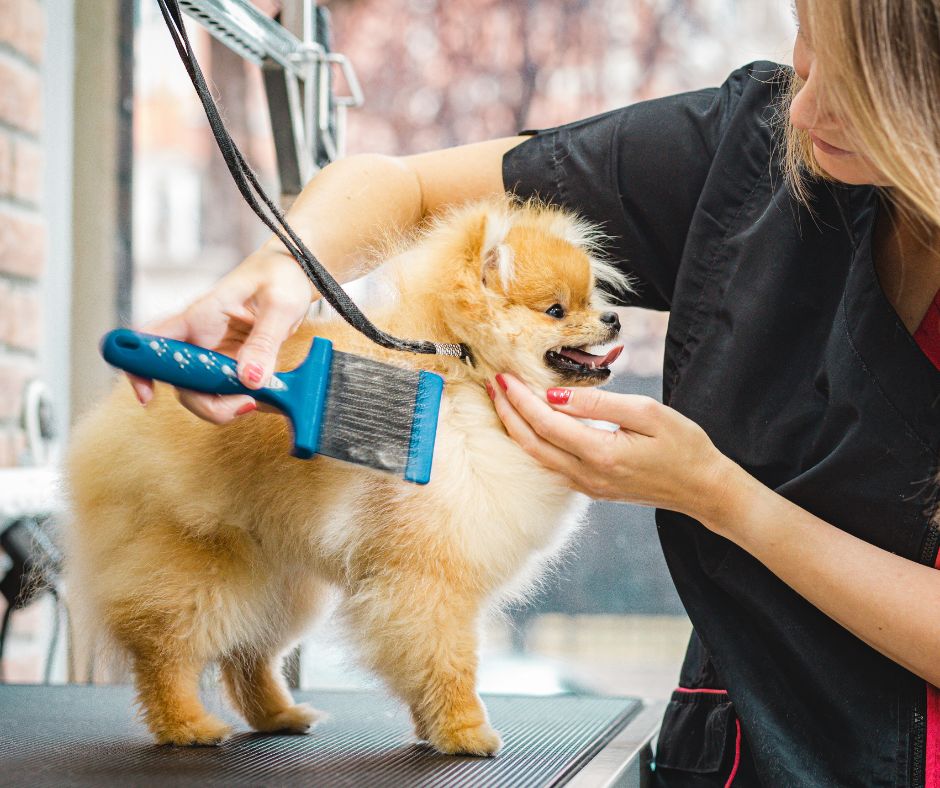
For many pet care businesses, grooming is a polarizing topic. Some operators thrive on it, while others have dropped the service entirely after negative experiences. However, as Joe Zuccarello of Paragon School of Pet Grooming explained in our recent IBPSA webinar, grooming doesn’t need to be a source of frustration. In fact, when managed properly, it can become one of the most profitable and reliable pillars of your business.
How Grooming Services Can Benefit Your Business
Grooming is more than just an add-on service—it can be a powerful gateway to additional sales. Customers who come in for grooming are introduced to your daycare, training, or lodging services, while existing clients need regular baths, trims, and shed-control treatments. Joe suggests thinking of grooming as the “fourth leg” of the table supporting your business: without it, your overall service offering may be wobbly.
Key Performance Indicators (KPIs) to Watch
During our conversation, Joe highlights three essential KPIs that any pet care operator can use to bring clarity and control to grooming operations:
- Revenue Per Station. Each grooming table should generate at least $150,000 per year in top-line revenue. With the right mix of appointments (6–8 per day) and healthy average ticket prices, grooming can quickly add significant value to your business.
- Gross Margin. Aim to keep 60% of revenue after wages. This is generally only possible when you diversify services beyond just haircuts. Full-service baths, nail trims, and other profitable add-ons can help balance the higher labor costs of skilled haircutting.
- Staffing Efficiency. Grooming stations should be staffed and producing revenue at least 80–85% of the hours you’re open. If one groomer can’t or won’t fill the schedule, consider adding another groom tech or adjusting workflows.
People: The Real Secret to Success
The biggest challenge for most operators isn’t the math—it’s the people. Groomers bring a specialized skill set, which can leave business owners feeling like they’re “held hostage” when staff issues arise. Joe offers a fresh perspective: stop looking only for groomers who are already trained. Instead, hire for culture fit first and then train for skill.
Paragon’s model emphasizes developing groom techs—team members trained to deliver high-quality full-service baths and simple trims. Not only do groom techs drive profitability, but they also form your pipeline for future full groomers. This approach reduces your vulnerability if a stylist leaves and builds a healthier, more sustainable grooming department.
Reducing the Headaches
Many frustrations, such as conflict among groomers, burnout, and pricing struggles, stem from a lack of structure. By implementing KPIs, offering legitimate career paths, and avoiding “shared staff” between departments, you can transform grooming from a burden into a controlled, profitable business unit.
Whether you’re considering adding grooming services or you’re trying to revitalize an underperforming program, the opportunity is clear: grooming can drive revenue, attract new customers, and support every other part of your business. By focusing on the right numbers, building the right team, and legitimizing grooming as its own business unit, you’ll be empowered to maximize both people and profit potential—without the headaches.