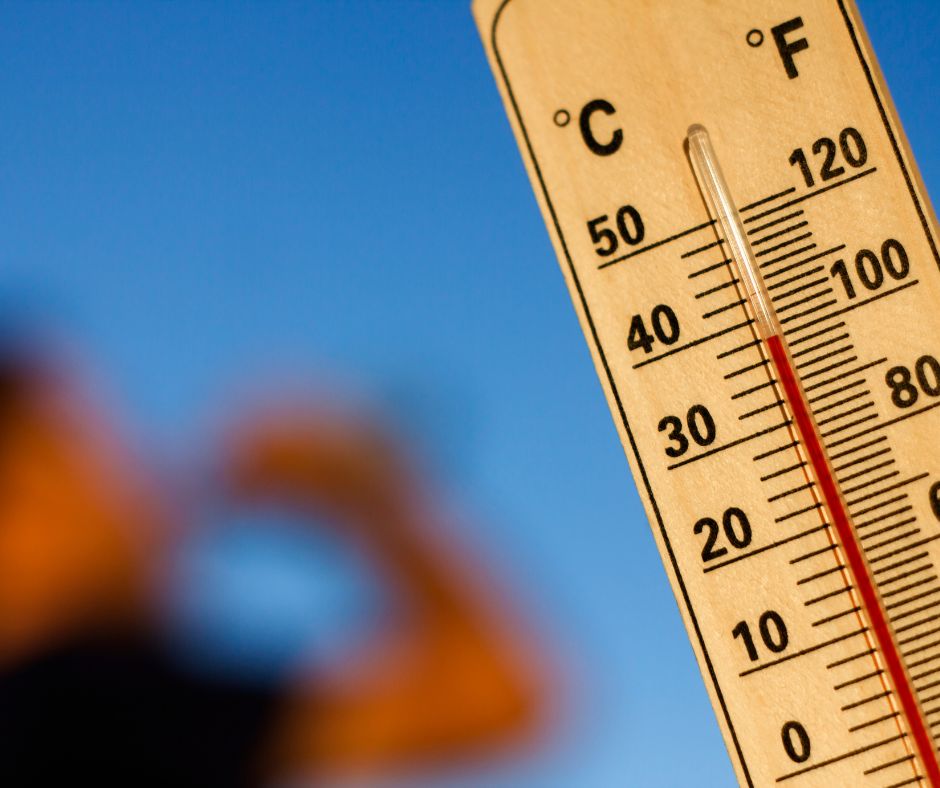
As summer temperatures soar, it’s crucial to remain vigilant about preventing heat-related illnesses—particularly for pet care professionals who may have staff members and animals in their care. Potentially dangerous conditions such as heat exhaustion and heat stroke can develop quickly, so it’s important to understand the warning signs and preventive measures.
Understanding Heat Regulation in the Human Body
To maintain a constant internal temperature, the human body needs to dissipate excess heat. This process primarily involves:
- Blood circulation. The body adjusts the amount and rate of blood flow to the skin’s surface.
- Sweating. Sweat glands release fluid onto the skin, and the evaporation of this sweat cools the body.
However, when exposed to extreme heat, these mechanisms can become overwhelmed, leading to several heat-related health issues. Among these, heat cramps, fainting, and heat rash are relatively common but less severe. However, heat exhaustion and heat stroke are more critical conditions that require immediate attention.
Recognizing and Responding to Heat-Related Illnesses
Heat exhaustion is primarily caused by significant fluid loss, often accompanied by a loss of salt, due to excessive sweating. Symptoms may include:
- Headache
- Dizziness
- Weakness
- Confusion or irritability
- Nausea and vomiting
If an employee or animal exhibits these symptoms, it’s crucial to act quickly by moving them to a cooler environment, providing water, and seeking medical attention if necessary.
Heat Stroke
Heat stroke is a more severe condition that occurs when the body’s temperature regulation system fails, which can be fatal. Symptoms include:
- Dry, pale skin, OR hot, red skin
- Lack of sweat
- Mood changes such as irritability and confusion
- Seizures
- Collapse and unconsciousness
Immediate medical intervention is essential for anyone suspected of experiencing heat stroke. While waiting for emergency services, try to cool the individual down as quickly as possible using cold packs, wet cloths, or immersion in cool water.
Training and Preparedness
Preventing heat-related illnesses starts with proper training and preparedness. Here are some key strategies to implement at your facility:
- Educate employees. Ensure that all staff members are trained to recognize the signs and symptoms of heat-related illnesses. Regular refresher courses can help keep this information top of mind.
- Provide access to cool water. Hydration is critical. Make sure employees and animals have constant access to fresh, cool water, especially when spending time outdoors.
- Encourage frequent breaks. Schedule regular breaks for employees working in hot environments, encouraging them to rest in shaded or air-conditioned areas to cool down.
- Monitor animal play areas. Pay special attention to the conditions in outdoor play areas for animals. Consider providing shaded areas, outdoor fans, or cooling mats to help keep the animals comfortable, and do not allow them to remain in hot conditions for long.
- Protect the paws. Remember that the pads on the bottoms of animals’ paws are sensitive to heat, much like human feet. Walking on hot surfaces can cause burns and significant discomfort, so provide alternative surfaces—such as grass/artificial turf or shaded paths—for outdoor activities.
During the hot summer months, it’s more important than ever to pay careful attention to the safety and comfort of both your staff members and the animals in your care, taking steps to enhance everyone’s comfort and prevent dangerous heat-related illnesses.