For homeowners and pet care businesses alike, taking steps to prevent fires is crucial for ensuring the safety of humans, animals, and assets. While October is officially considered Fire Prevention Month, fire prevention and safety are important at any time of the year. Read on for some essential fire prevention tips for pet owners and pet care businesses.
Identifying Common Fire Hazards
Before discussing preventive measures, it’s important to understand some of the most common fire hazards found in homes and businesses. These include:
- Electrical fires. These types of fires may be caused by faulty wiring, overloaded circuits, or the use of damaged or outdated appliances. In homes and pet care facilities, unsupervised pets could potentially chew on electrical cords, thereby increasing the risk of electrical fires.
- Heating sources. Space heaters, fireplaces, and other heat-generating equipment can pose risks, especially if they’re not properly monitored.
- Cooking-related fires. Kitchens are among the most common places for fires to start, whether in a home or a pet care business that includes kitchen facilities.
- Candles and open flames. Pets can easily knock over candles or become curious about open flames, which can raise the risk of injuries and fire.
- Flammable materials. Paper, towels, cleaning supplies, or even pet bedding can easily catch fire if left too close to a heat source.
Understanding these hazards and determining if they exist on your property will help you take proactive steps to minimize risks.
How to Reduce the Risk of Fire
Whether you’re a pet owner or the owner or manager of a pet care services business, the following tips can help prevent potential fires on your property and enhance safety in the event of an emergency:
- Pet-proof hazardous areas. Animals are naturally curious and can accidentally start fires by knocking over candles, getting too close to heaters, or chewing on electrical cords. Therefore, it’s important to try to keep them away from potential dangers. For instance, avoid using open flames (or at least keep them in hard-to-reach spots), store electrical cords securely and replace damaged ones promptly, and use protective covers on outlets, particularly in areas that are heavily trafficked by pets.
- Install and maintain smoke alarms and fire suppression systems. Working smoke alarms are crucial for early fire detection; they should be placed on every level of a home or pet care facility, with batteries checked regularly. For added security, consider a monitored smoke detection system, which can notify emergency services if a fire breaks out when no one is present. In pet care businesses, regular inspections of fire extinguishers and sprinkler systems ensure that these tools are ready for use in case of a fire emergency.
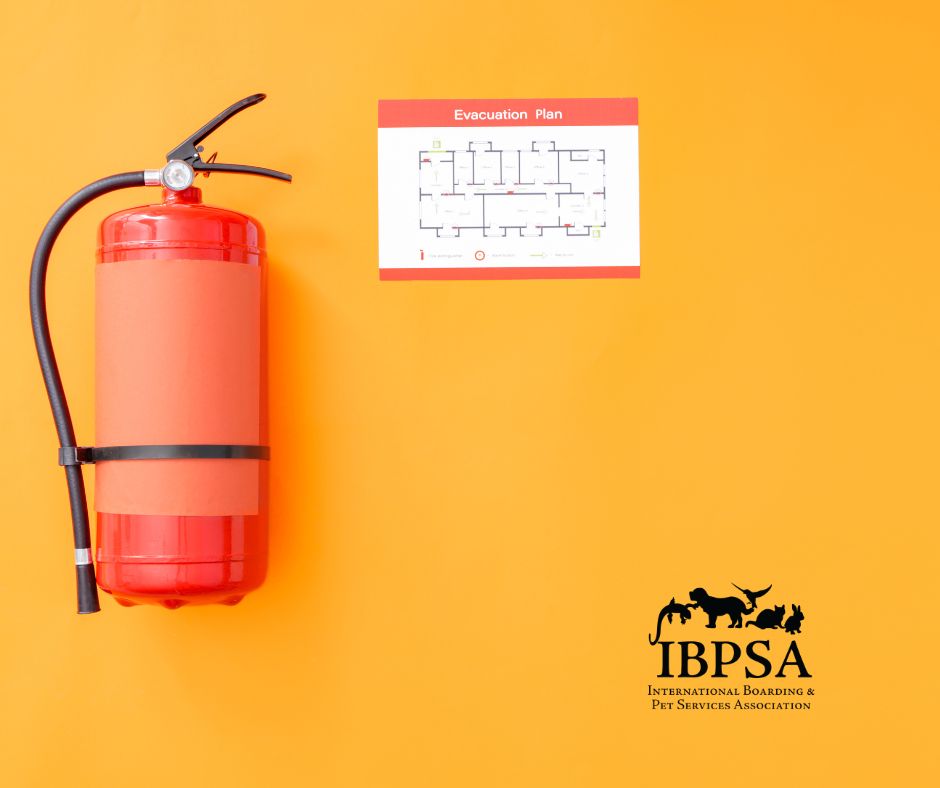
- Create and practice an emergency evacuation plan. An evacuation plan can be life-saving, particularly in facilities where multiple animals are present. Make sure that your staff members understand and rehearse the plan, including how to safely secure pets in carriers or on leashes during an evacuation. Assign specific roles to staff members for evacuating pets, and practice regular fire drills to help everyone stay prepared.
- Keep exits and pathways clear. Unobstructed exits and pathways are essential in an emergency, enabling people and pets to escape quickly. Therefore, in both homes and businesses, ensure that exits and hallways are free of clutter to facilitate quick evacuation. Additionally, everyone on the premises should be aware of exit locations and know where to find fire extinguishers.
- Use fire-resistant materials whenever possible. Fire-resistant bedding and other materials can help slow the spread of flames. Therefore, pet boarding and daycare facilities should consider using fire-resistant materials in pet sleeping areas in order to add an extra layer of safety. Additionally, keeping flammable items like towels and paper products away from heat sources can reduce the risk of accidental ignition.
- Invest in pet alert window clings. Window clings indicating that there are pets inside can be lifesaving, alerting first responders about the presence of animals. Place these clings on windows or doors to increase the likelihood that firefighters will prioritize rescuing pets if it’s safe to do so.
- Prepare a disaster kit with pet essentials. Having an emergency kit on hand with food, water, medications, and first-aid supplies for pets is essential for both homes and businesses. Make sure the kit is easily accessible in case of evacuation. Include copies of important documents, such as vet records, to simplify the process of finding pet care after an evacuation.
For pet care businesses, reducing the risk of fires and taking other steps to ensure safety are crucial for animal welfare and business success. One way to ensure adherence to safety best practices is to obtain a Risk Management & Safety Facility Certification through IBPSA. Visit https://www.ibpsa.com/risk-management/ to learn more about this program, which is unique in the pet care services industry as it focuses on creating a safe facility environment to protect both pets and people.